
Biomass Installations
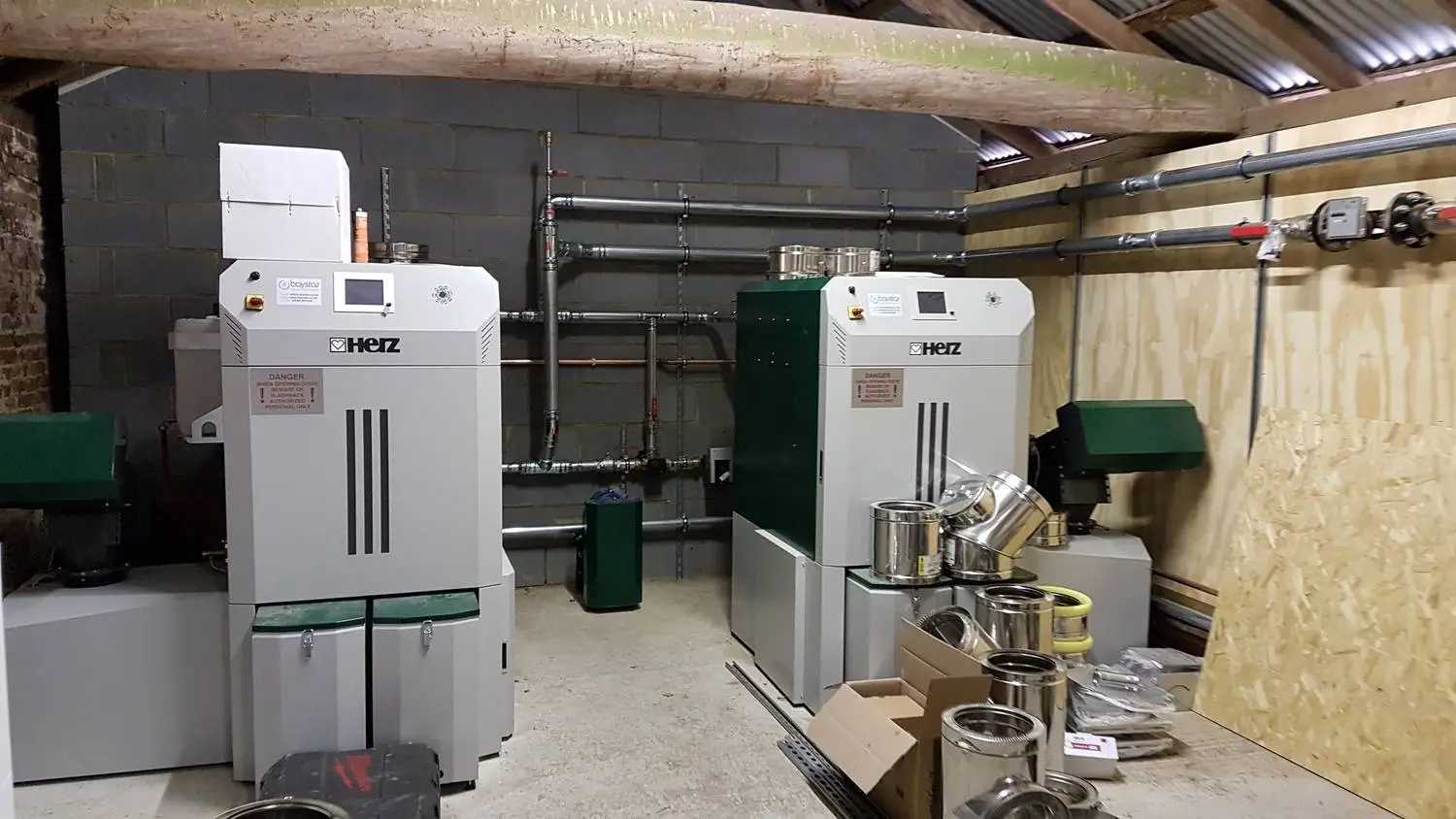
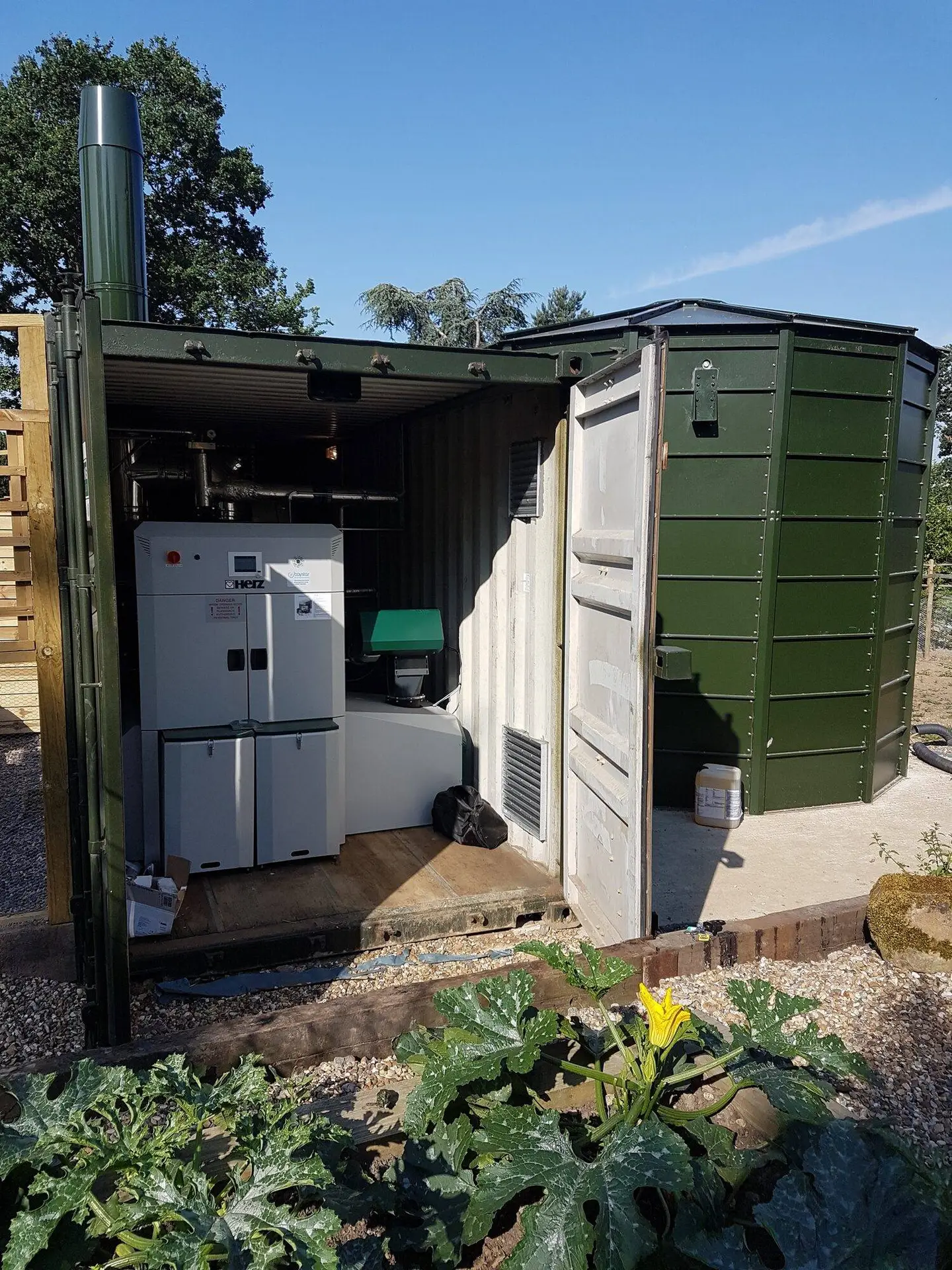
Biomass Boilers can provide heating, hot water or even electricity (using CHP) by burning organic, usually plant-derived matter, typically in the form of wood logs, wood pellets or wood chips. Wood is fed into the Biomass Boiler either manually or automatically, where it is burnt in a combustion chamber.The burning process is controlled using combustion and flue temperatures, as well as monitoring oxygen and carbon dioxide percentages, so that the biomass fuel is burnt as cleanly and as efficiently as possible. The hot combustion gases that are released from the wood being burnt pass several times through a heat exchanger, usually towards the back of the boiler, where the heat is transferred to the wet side of a heating and hot water system.The now cooled combustion gases exit the boiler through the flue and into atmosphere.
We always recommend going for an automated feed system and boiler as they are less labour intensive to keep fuelled and maintained. Depending on your circumstances, the space available, and access to wood sources, will all determine what type of system we recommend you go for. Below are the 3 main types of biomass boiler fuels, and who they are best suited to:
Logs: Ideal for those who have easy access to logs and don’t mind getting their hands a little dirty! Typically, the boiler needs to be loaded by hand on a daily basis. The hot water that is produced for the boiler is stored in a large buffer so it can be drawn from throughout the day. Log boilers are either lit manually, or automatically by a hot air gun. Owners will also need to remove remaining ash manually, and will need a log store to store and season logs. We typically install these in medium to large domestic properties.
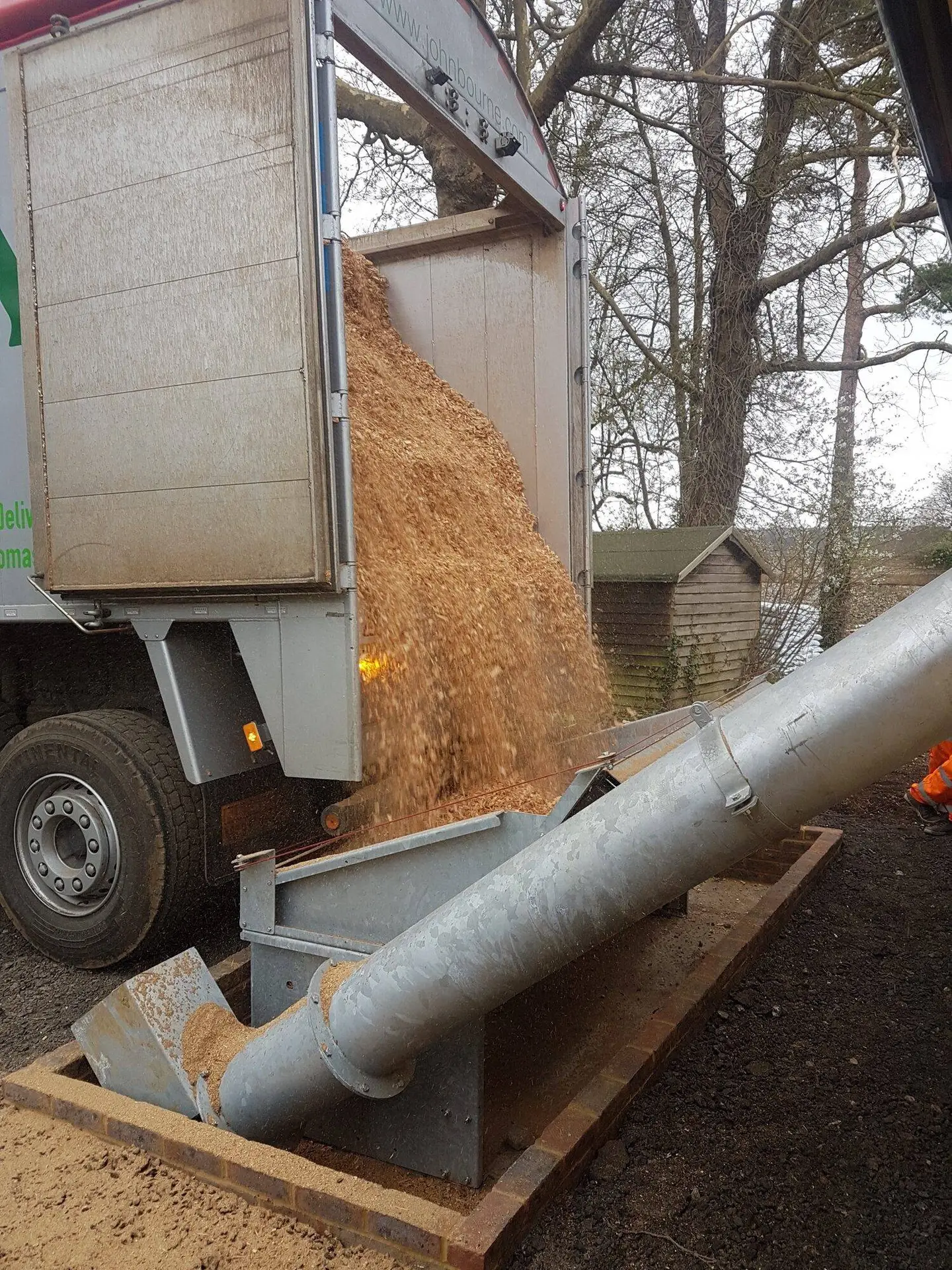
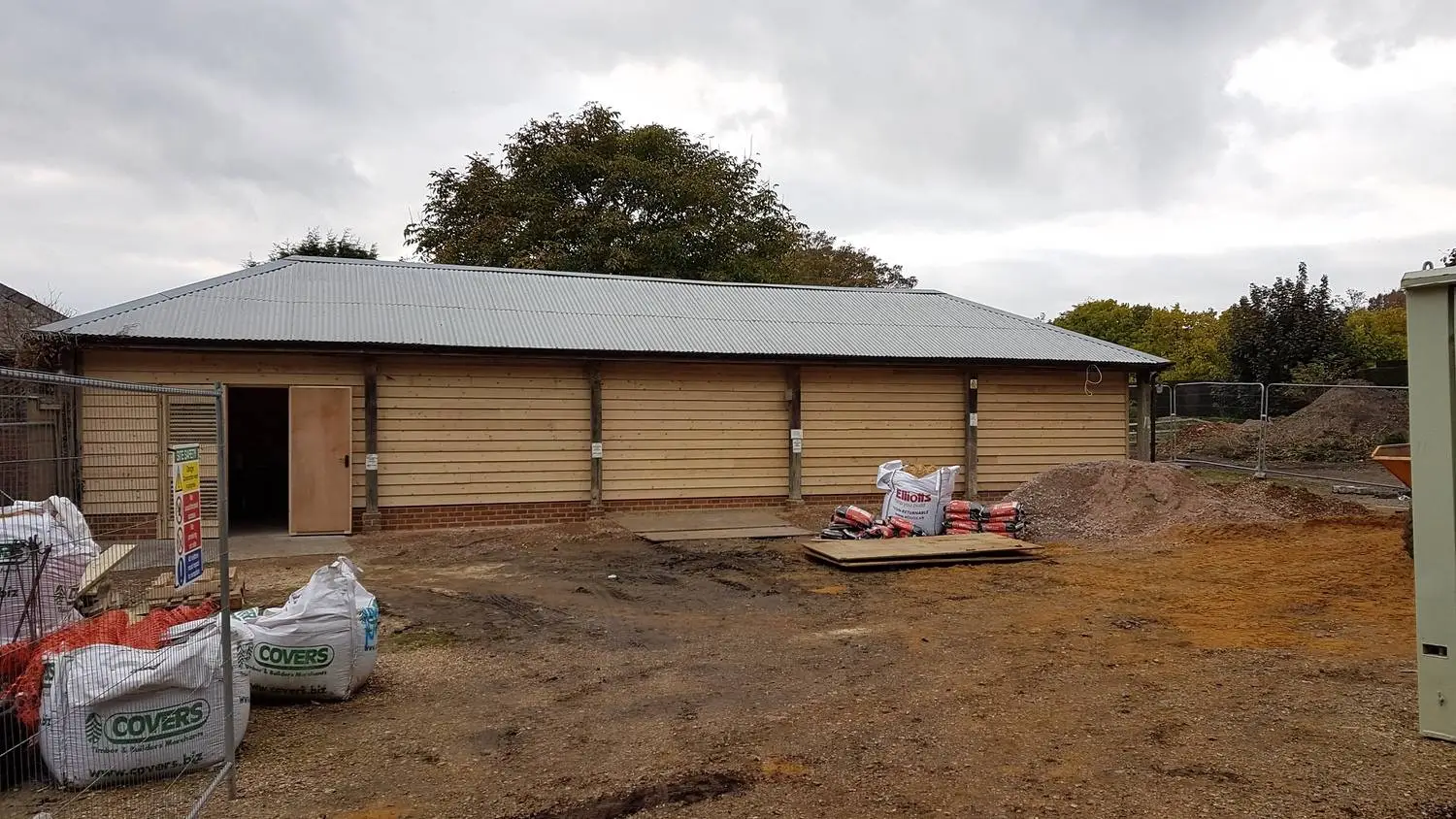
Woodchip: The most common type of fuel used in a biomass boiler. If you decide to go for a woodchip boiler you’ll need to make sure you have enough space to take delivery of a full load of woodchip (20-30m2) The woodchip should be stored in a dry, well-ventliated barn or silo next to the biomass boiler plantroom. The woodchip is then automatically fed into the boiler, where it is automatically ignited, burnt, and the remaining ash automatically removed to ash bins. These types of boilers are fully automatic, and can ignite and turn off as and when they are needed. Particularly suitable for larger domestic properties and commercial applications.
Pellet: Typically operating the same way as woodchip boilers, pellet boilers also need a space nearby where owners can take delivery of a full load (usually 15-20m2). The pellets, which can be purchased loose or in 20kg bags, are delivered to the biomass boiler via an automatic fuel transport system, typically auger-fed although they can also be transported by vacuum tubes. Pellet boilers are suitable to heating all types of houses as well as commercial applications, but it is worth noting that they generally cost more than woodchip, and have a larger carbon footprint due to their manufacturing process and transportation requirements.

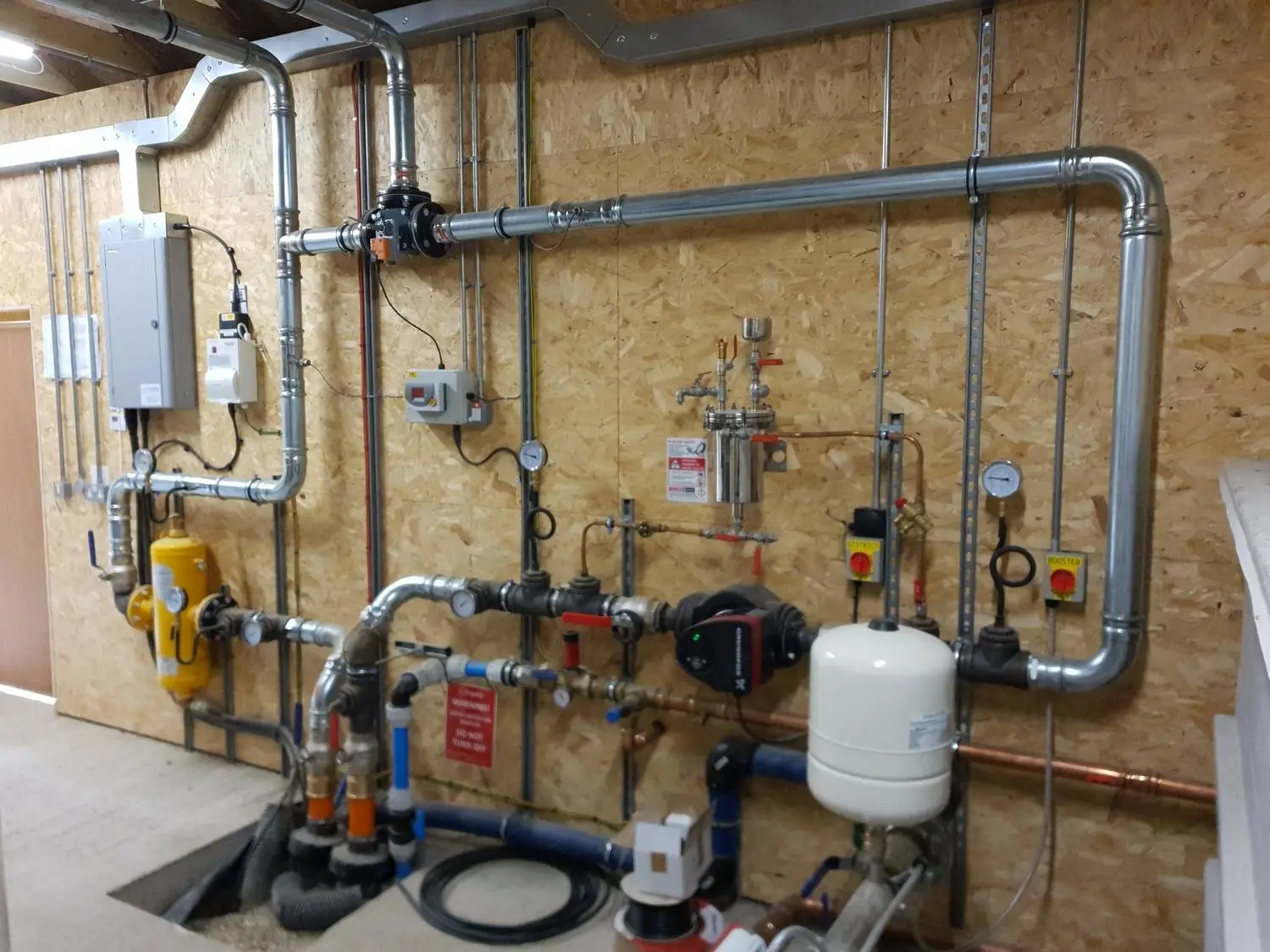
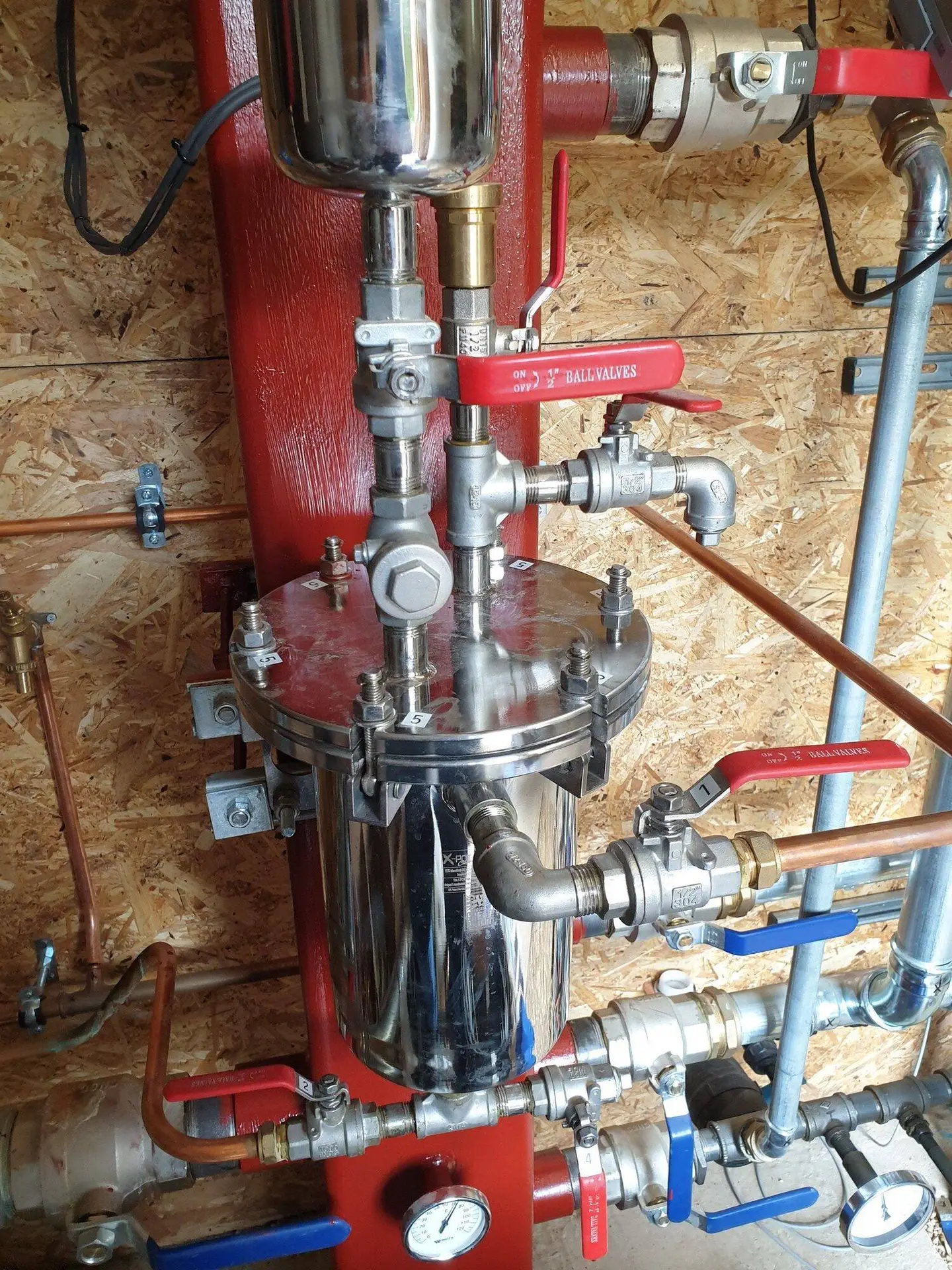
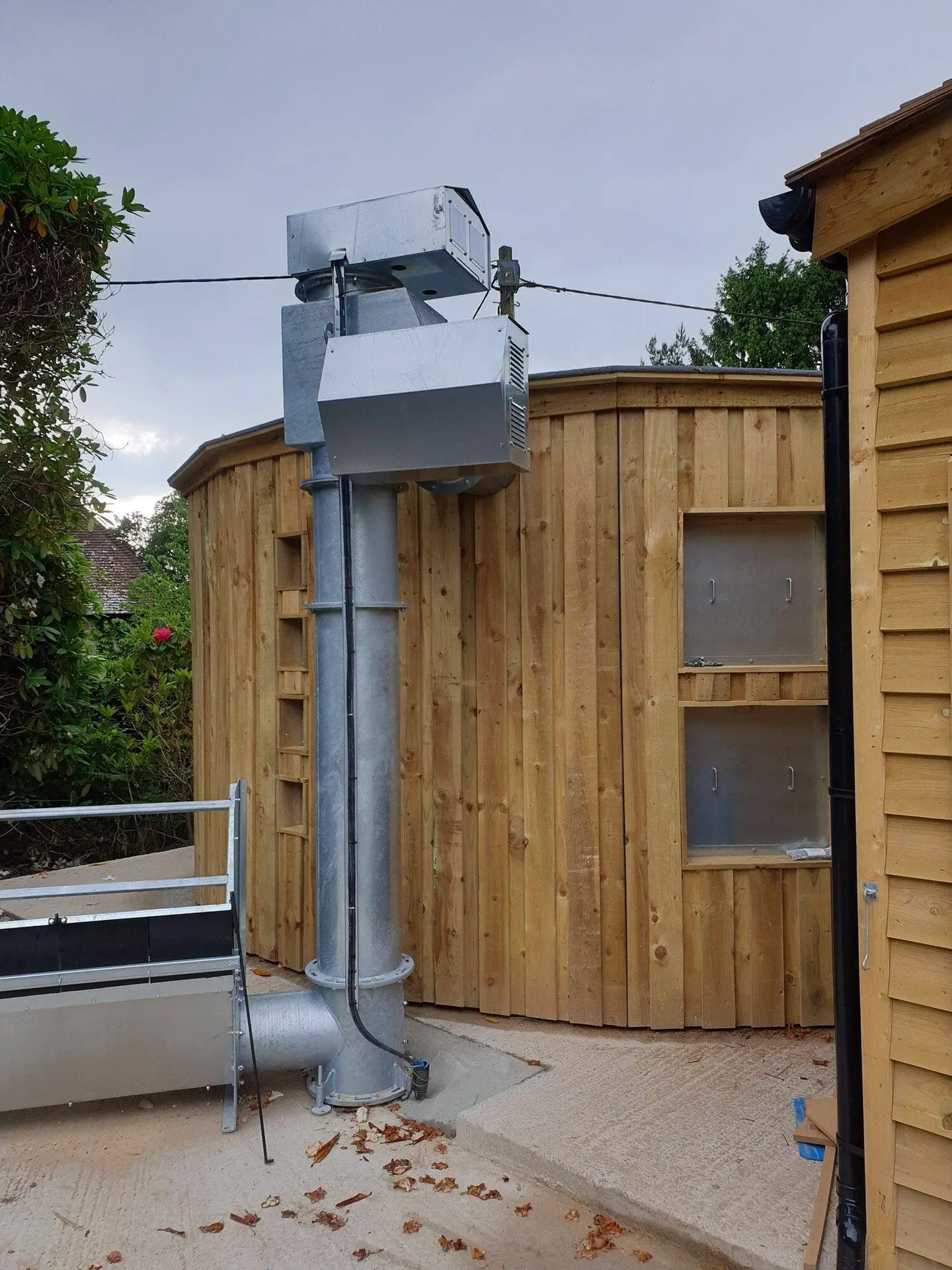
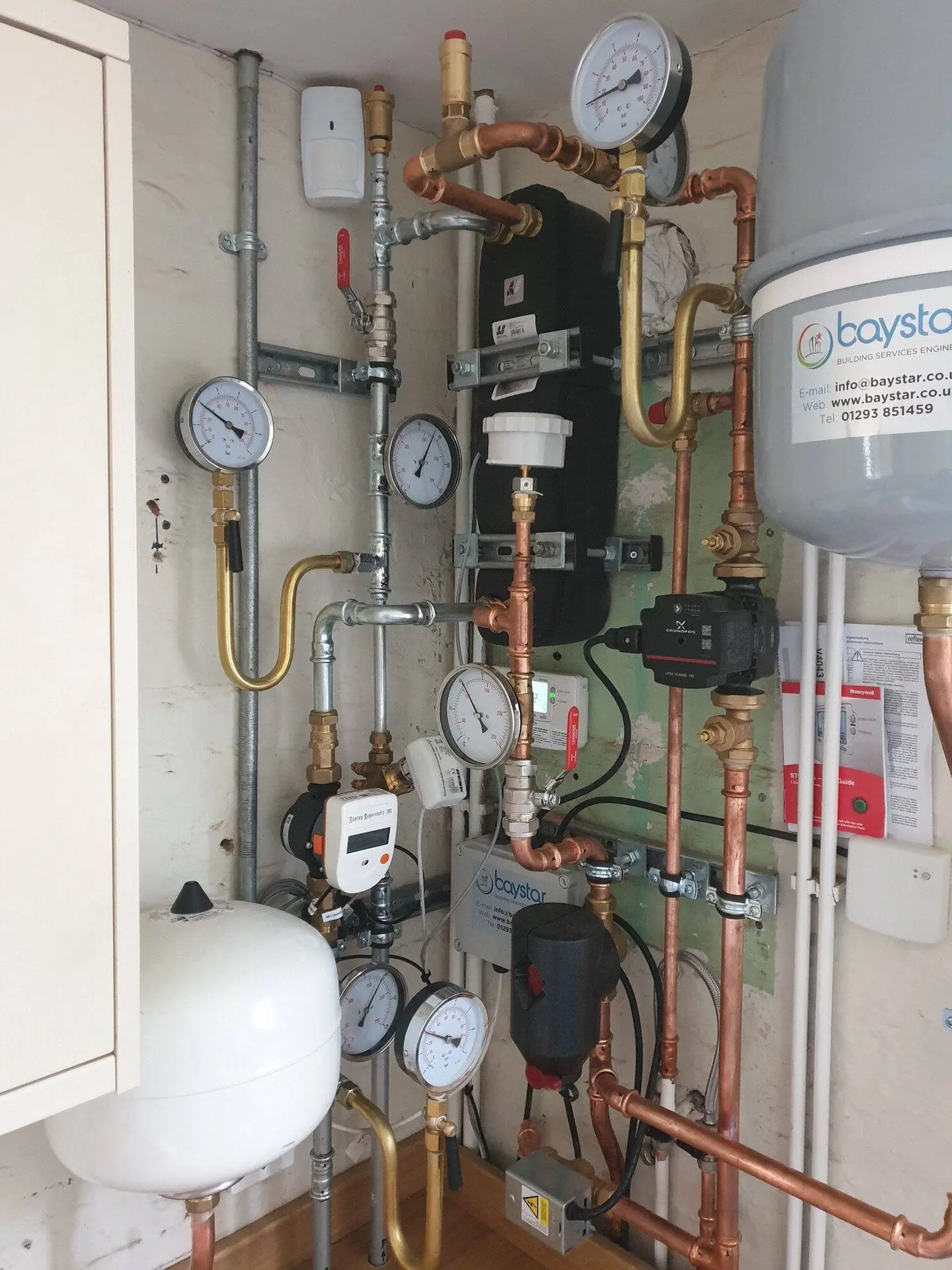

Biomass Installation: how does Baystar work?
Desktop Assessment
Design
The Fit
Always There
Renewable Maintenance
Your Renewable Heat System is a long-term investment and so maintaining it is just as important as the installation. Baystar work in accordance with the manufacturer’s instructions to ensure that the warranty remains valid. We can offer a fully insured maintenance contract for all new installations, or we can be called to service installations laid down by other companies. All our engineers are fully certified and trained to the highest standards, with years of experience in maintaining bespoke renewable systems.
Latest Projects

Desktop assessment
This is where we look at the specifics of your project. Because every property or development is unique, each project we take on has a bespoke solution designed by our in-house engineers and technicians. After carefully consulting with you about your needs and based on the property plans and EPC ratings, we create a bespoke proposal outlining exactly what we can deliver, and the likely cost.

Design
Our team come to your property for their first site visit to create your official Heat Loss Assessment. Working to existing plans – or measuring the property to create a new one if you don’t have plans available – we map out where in the building you’re losing heat, and how we can combat that. We can also work with you to build a plant room, or convert part of the garage or an existing outbuilding to be used.

The fit
Our work usually takes place during three particular phases of any property: the build, the refurb, or the ‘retrofit’. During a build or a refurb (house extension, building renovation), construction teams are usually already on site, so our team can come in and work alongside your existing team. A ‘retrofit’ project simply means that we’re the only project happening at that time. Biomass system installations are like fingerprints; whilst equipment might be the same, no two installs are the same. Our engineers will work diligently to minimise disruption, installing as much of the replacement system as possible before turning off, draining down and removing your existing system.

Always there
Once everything is installed and running perfectly, we don’t just leave you holding the proverbial baby. We ensure the Biomass boiler is set to the perfect settings, are fully registered with MSC and we’ll arrange the official warranty with the manufacturer, and provide a fully comprehensive handover pack to troubleshoot any issues, certificates for all the relevant parts, and any extra information we think you may need in the future. We’ll answer any questions you have post-fit and we can return annually to make sure your panels are fully serviced and covered for warranty.
GET IN TOUCH

Baystar LTD
Beechover House
Springfield Ln
Horsham
RH12 4TA