
Ground Source & Water Source Heat pumps: INstallations
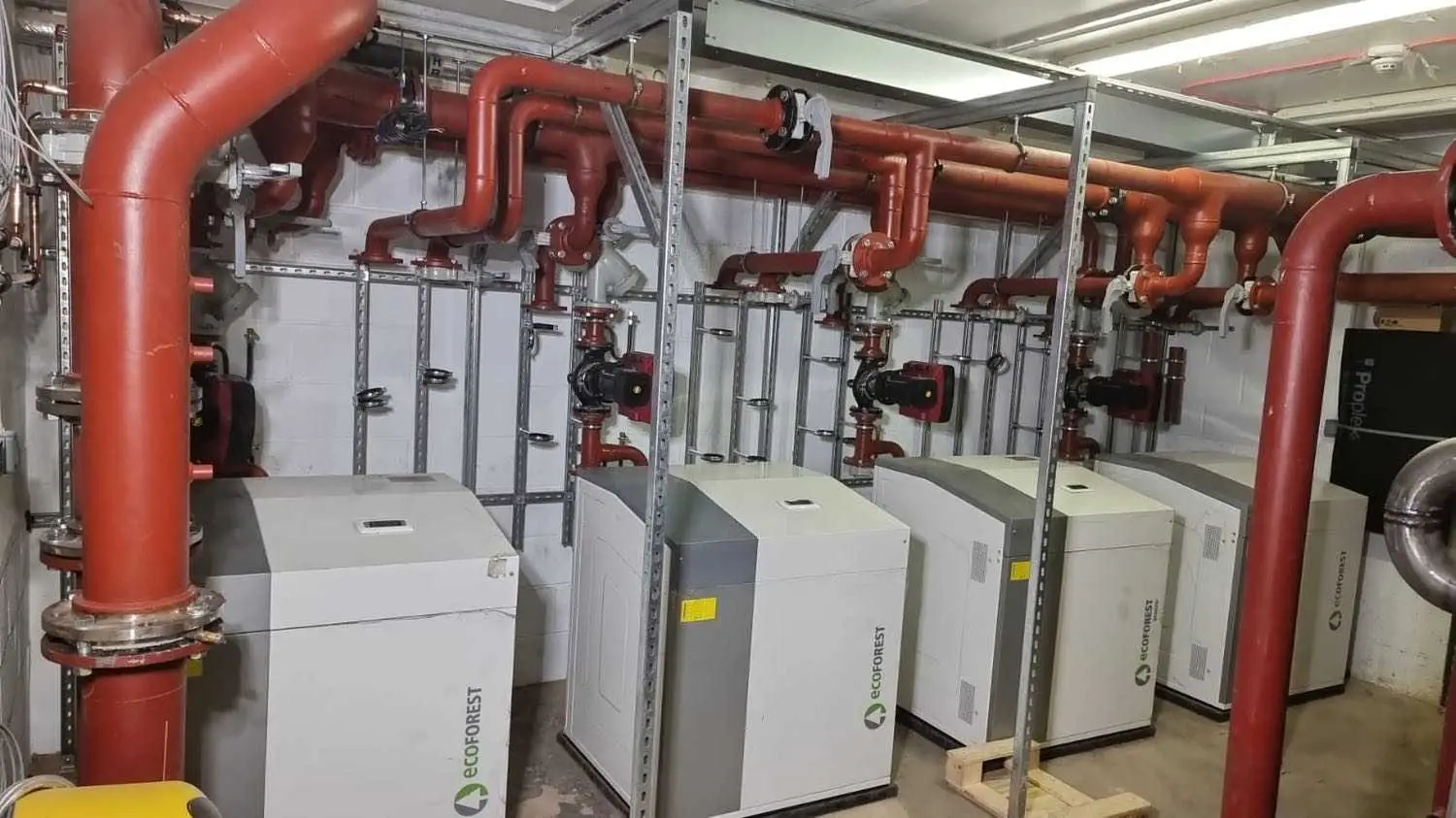
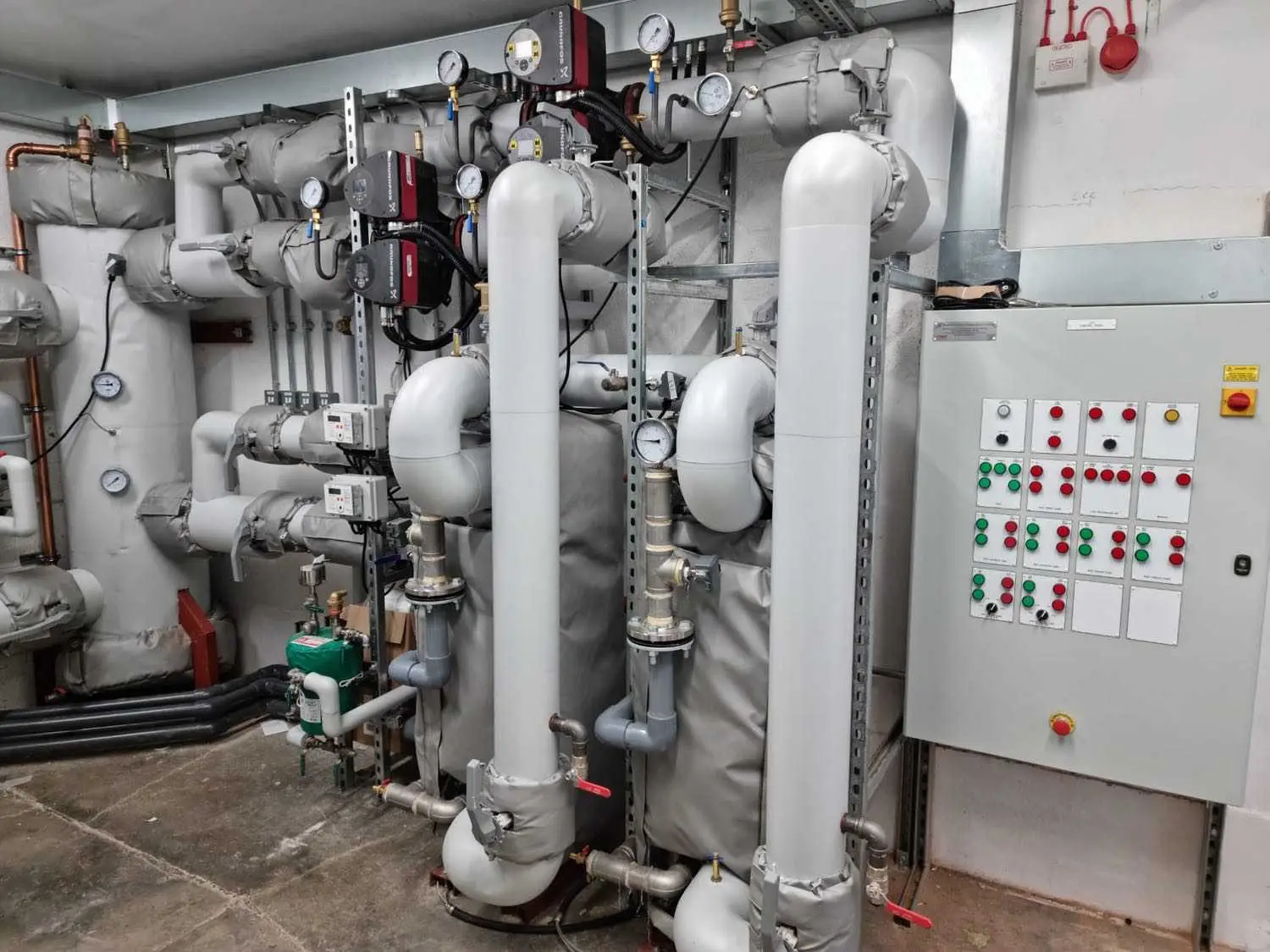
Essentially, a Ground or Water Source Heat Pump works like a ‘reverse refrigerator’, taking low grade heat from either the ground or body of water, and turning into usable heat within the home.
There are two main types of ground source, horizontal systems and vertical borehole systems, and the concept of both is the same. Using the year-round solar gain of the sun, the ground underneath your property acts like a solar heat battery, with an average temperature of around 12C. This temperature is high enough to heat a mixture of water and antifreeze running through a closed pipe system laid within the subsoil by Baystar. A heat exchanger uses this liquid to evaporate a more unstable, refrigerant liquid, similar to the one used in domestic and commercial fridges. The evaporated refrigerant is compressed inside the Heat Pump, raising its temperature much higher. A heat exchanger then ‘robs’ this higher heat, transferring it into your building’s internal network, powering radiators and underfloor heating systems, and delivering piping hot running water. Whether you have a horizontal or vertical ground source system put in place will depend on the space available around your property, but both are very similar in performance.
One thing we’re often asked at Baystar is which is more efficient, ground or air source? Over a whole year ground source tends to be the more efficient, mainly because whatever time of year you need the heat, the ground remains a constant temperature. Because the ground stays at that constant temperature all year round, come rain or shine, you end up with a consistent, never-ending source of heat.
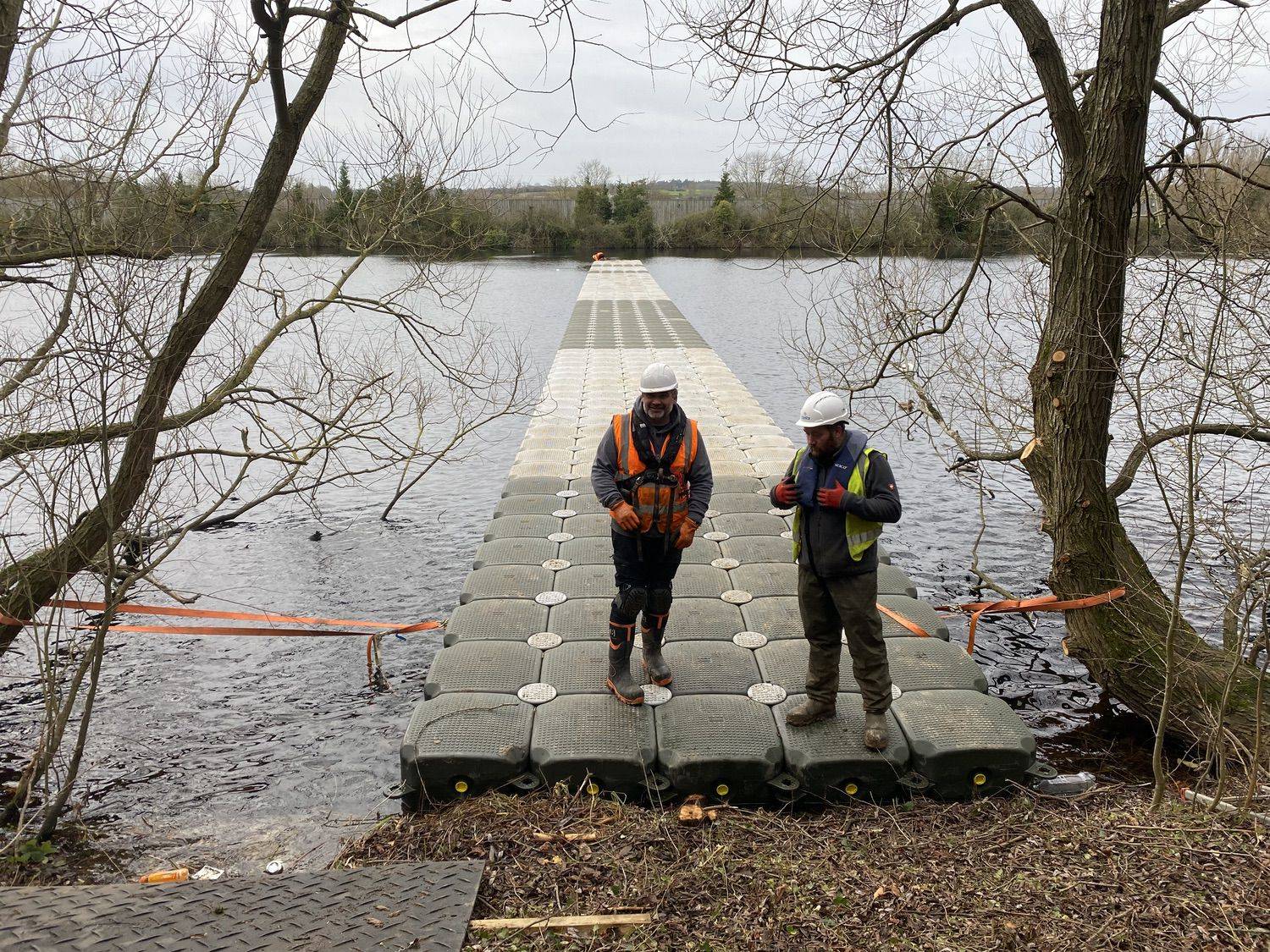
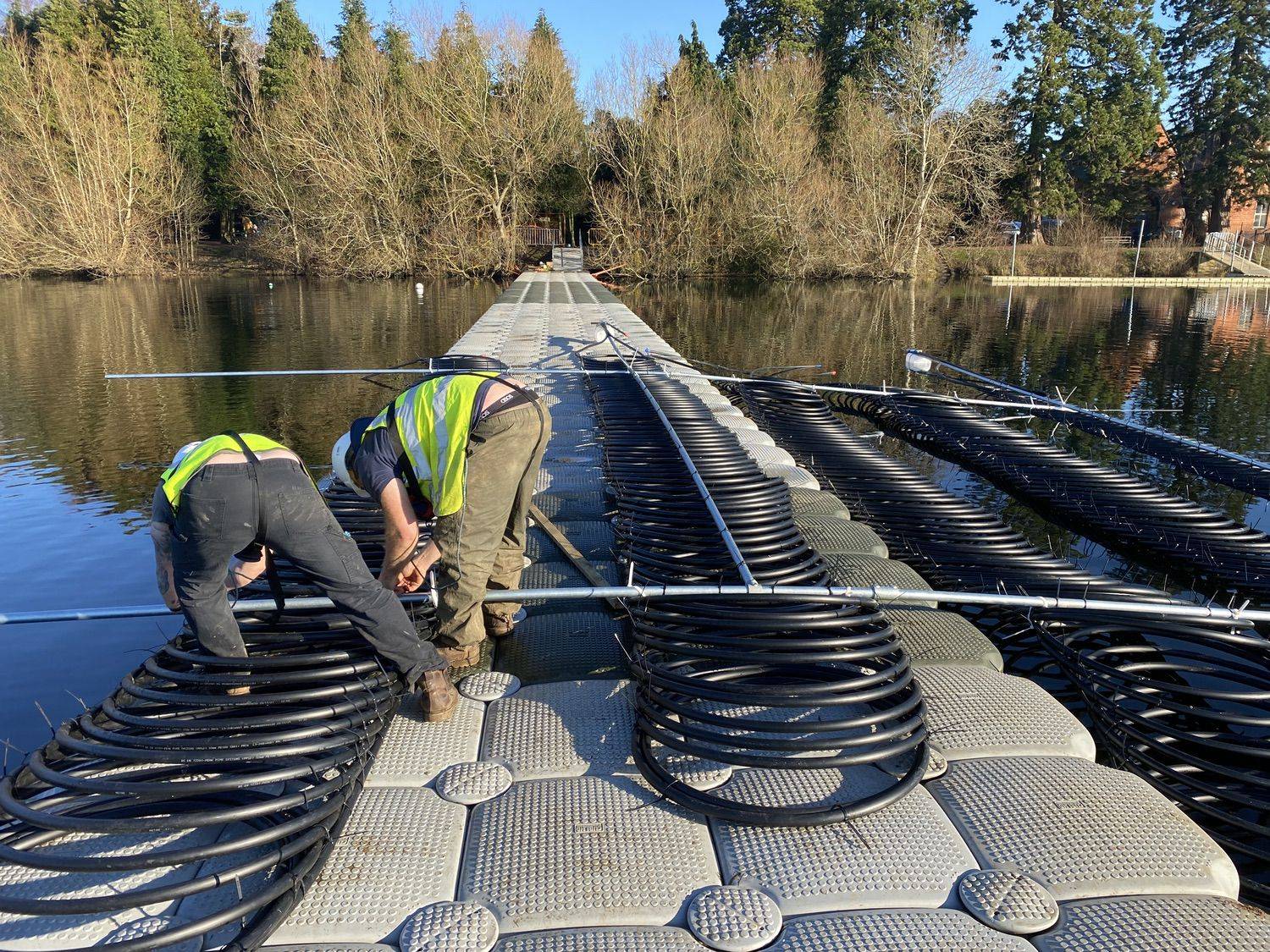
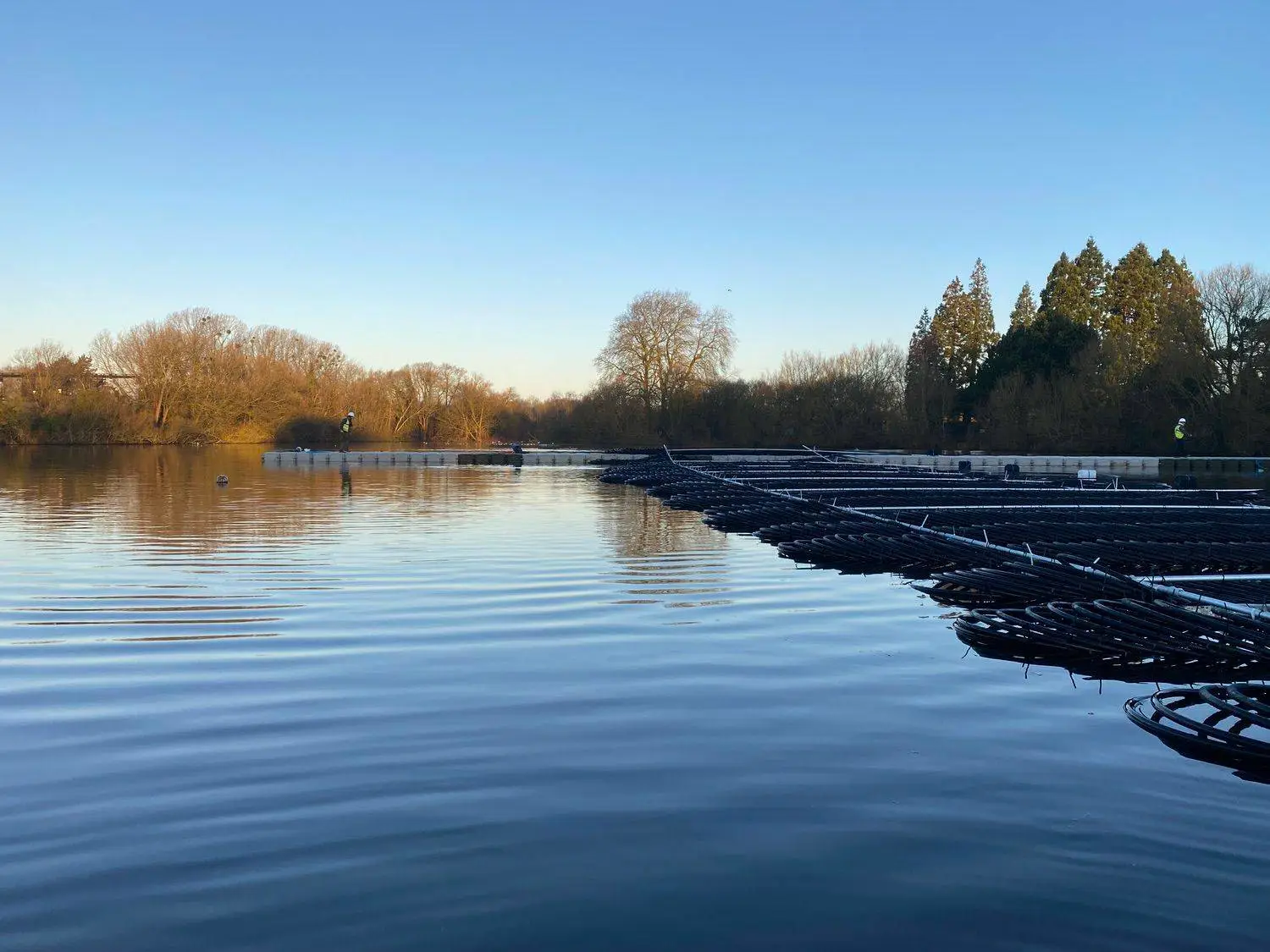
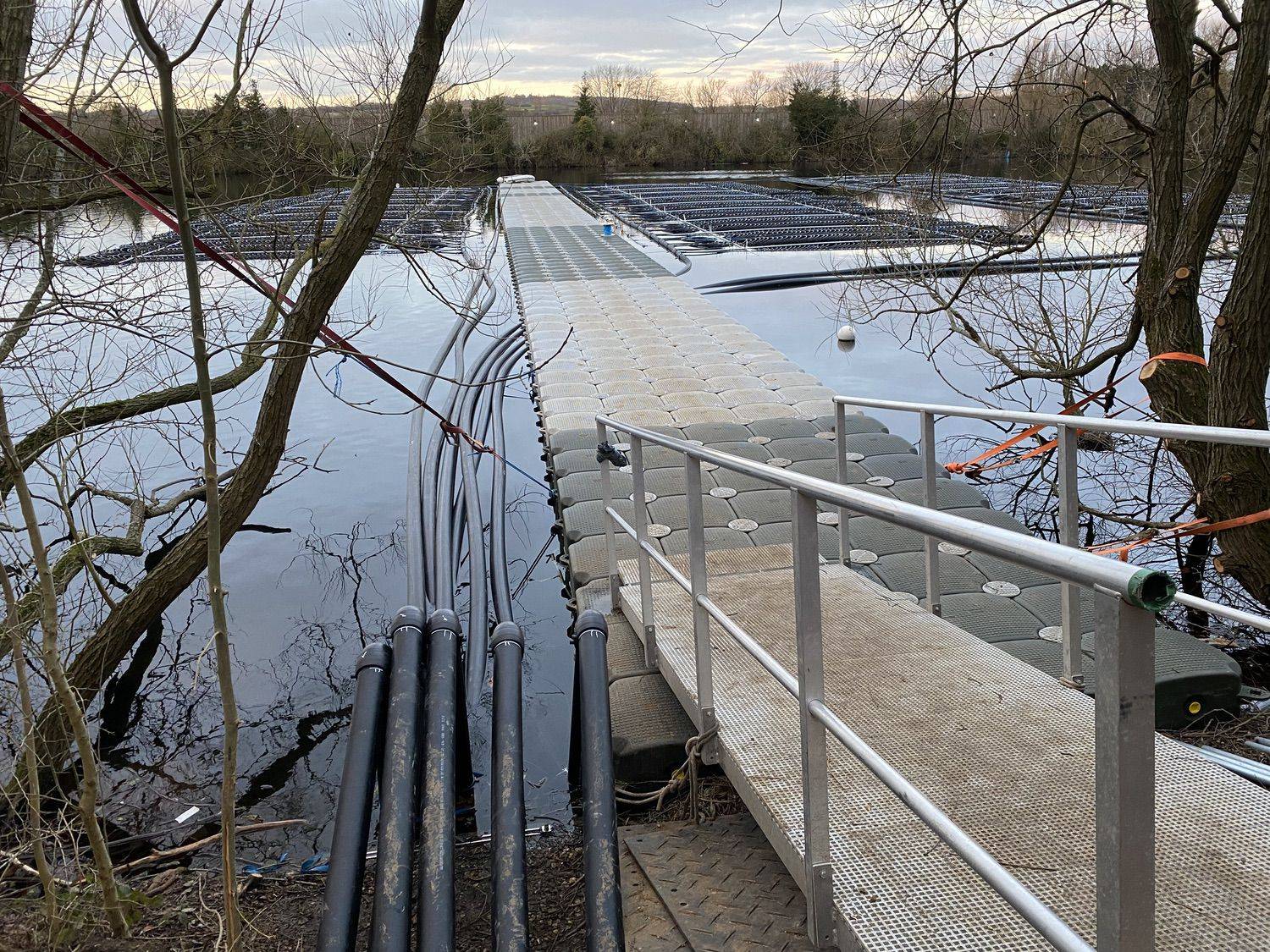
Water source heat pumps are very similar to ground source heat pumps but rather than laying closed loop pipes in the soil, pipes or ‘heat exchangers’ are laid within a large or flowing volume of water. Running water or deep water (over 1m deep) does not freeze and so has a constant temperature, even when a layer of ice is on top! The benefit of using water as a source is that it has a very high heat transfer rate, which means we can get excellent efficiencies from a well-designed water source system, as well as also saving you space if a suitable body of water is readily available at your property.
Lowering carbon emissions, heat pumps are good for the planet, but because they also use less than a third of the electricity usually needed to heat water directly, potentially lowering bills, they’re also great for the pocket too.




Heat Pump Installation: how does Baystar work?
Once you’ve settled on a Ground or Water Source Heat Pump, what happens next? Our team at Baystar are here to walk you, your builder or your construction company through every step of the process, answer any questions, and make sure you have everything you need to get the Renewable Energy ball rolling. Here’s what happens on your Baystar journey towards cleaner energy and lower fuel bills…
Desktop Assessment
Design
The Fit
Always There

Desktop assessment
This is where we look at the specifics of your job. Because every property or development is unique, every project we take on has a bespoke solution designed by our in-house engineers and technicians. After carefully consulting with you about your needs and based on the property plans and EPC ratings, we create a bespoke proposal outlining exactly what we can deliver, and the likely cost.

Design
Our team come to your property for their first site visit to create your official Heat Loss Assessment. Working to existing plans – or measuring the property to create a new one if you don’t have plans available – we map out where in the building you’re losing heat, and how we can combat that. We also scout the area to find the best location for the unit itself and map out on the surrounding ground exactly where we’ll install the closed loop pipe system to access that all-important ground temperature.

The fit
Our work usually takes place during three particular phases of any property: the build, the refurb, or the ‘retrofit’. During a build or a refurb (house extension, building renovation), construction teams are usually already involved, meaning our team can come in and work with your existing team, either digging our own trenches or working with your builder to dig them. A ‘retrofit’ project simply means that we’re the only project happening at that time. It can feel disruptive and while we’re digging up ground to lay pipes you might feel we’re trying to recreate the Battle of the Somme but rest assured, we leave everything looking just as good – if not better! – than it was when we turned up.

Always there
Once everything is installed and running perfectly, we don’t just leave you holding the proverbial baby. We ensure the system is fully registered with MCS and the relevant manufacturer for the official warranty. We provide you with a fully comprehensive handover to troubleshoot any issues, certificates for all the electrical systems, and any extra information we think you may need in the future. We’ll answer any questions you have post-installation and we can return annually on request to make sure your heat pump is fully serviced and covered for its warranty.
Renewable Maintenance
Your Renewable Heat System is a long-term investment and so maintaining it is just as important as the installation. Baystar work in accordance with the manufacturer’s instructions to ensure that the warranty remains valid. We can offer a fully insured maintenance contract for all new installations, or we can be called to service installations laid down by other companies. All our engineers are fully certified and trained to the highest standards, with years of experience in maintaining bespoke renewable systems.
GET IN TOUCH

Baystar LTD
Beechover House
Springfield Ln
Horsham
RH12 4TA