The Big Picture
- Moving UK housing away from fossil fuels to electrified, efficient homes
- Aims to cut:
- Carbon emissions
- Energy bills
- Reliance on volatile gas markets
- Major reduction in carbon emissions from new homes — around 75–80% lower vs 2013 standards
- Supports the UK’s net zero by 2050 target
When Does the Future Homes Standard Take Effect?
Originally targeted for 2025, though now coming into effect toward 2027 for a 2028 full rollout.
Transitional periods expected before full compliance is mandatory.
The legislation will come into force through a bedding in period throughout 2027 and be in full effect by 2028. This means from 2028, no new homes will be connected to the gas grid.
The Mechanism for Assessment
At present, only SAP 10.3 is confirmed to be eligible for the energy modelling of new homes. This is to cover full compliance with the Future Homes Standard.
Use of updated tools like the Home Energy Model (HEM) to assess performance
Stricter Building Regulations (Part L & F updates), may well become part of the legislation as plans evolve.

The Result
- Strong push toward solar panels and on-site renewables (at least 40% of the ground floor footprint of the home, equivalent in roof space must have solar panels
- Homes designed to work with a decarbonised electricity grid, though battery storage is not mandatory, yet
- Much higher insulation standards (walls, floors, roofs)
- Improved airtightness and reduced heat loss
- Greater focus on thermal performance of the building itself
- Gas boilers effectively removed from new builds
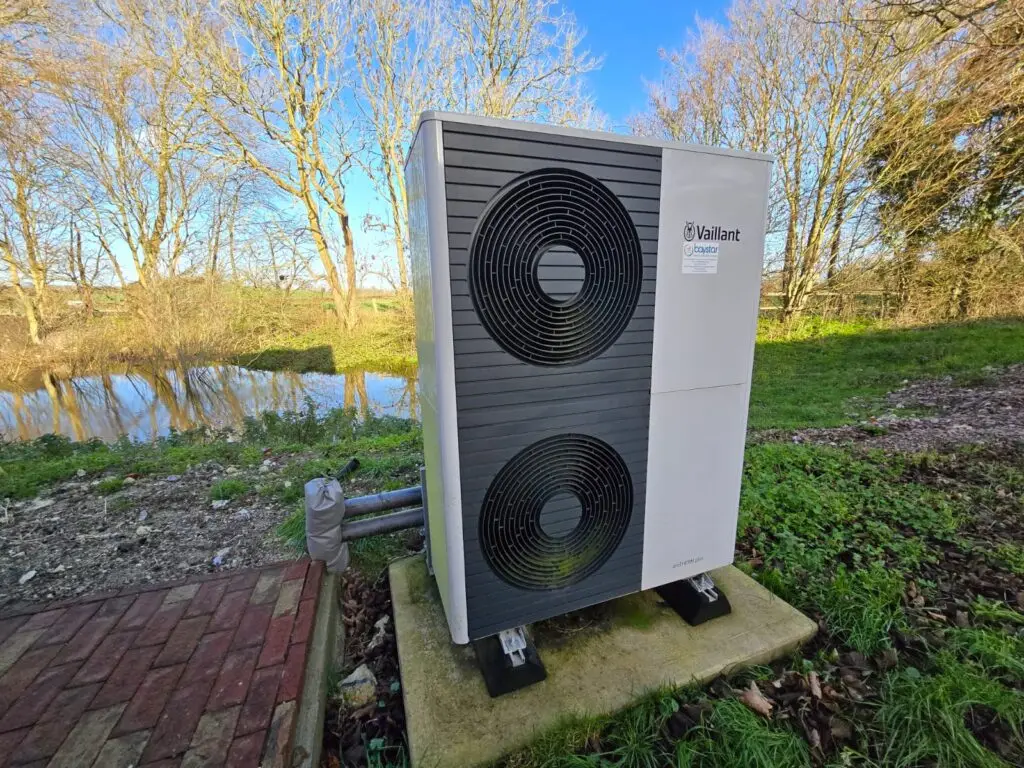
- Low-carbon heating required (primarily heat pumps)
- Homes designed to be “zero-carbon ready” (no future retrofit needed)
Where can I learn more?
How heat pump systems work: Link
How to size a Heat pump system: Link
Govt Future Homes Standard: https://www.gov.uk/government/publications/the-future-homes-and-buildings-standards-impact-assessments